Fleas
Siphonaptera
Control, Extermination, & Prevention of Fleas in Home
Fleas in Florida homes
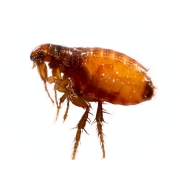
Almost every flea problem in Florida comes from one species: the cat flea, which infests both cats and dogs. (The dog flea is rarely found in the United States.) Adult fleas live on the pet, but that’s only part of the problem. Eggs fall off into carpets, bedding and the yard, and that’s where the next generation develops.
Why fleas keep coming back
Flea larvae live in carpets, floor coverings and shaded spots outdoors. Their main food is “flea dirt”: dried adult flea droppings, made of blood, that fall off the pet. Treating only the pet leaves the eggs, larvae and pupae in your home ready to hatch, which is why fleas seem to come back after a treatment.
Signs of fleas
- Pets scratching, biting or licking more than usual
- Black specks (flea dirt) in pet fur or bedding that turn reddish when wet
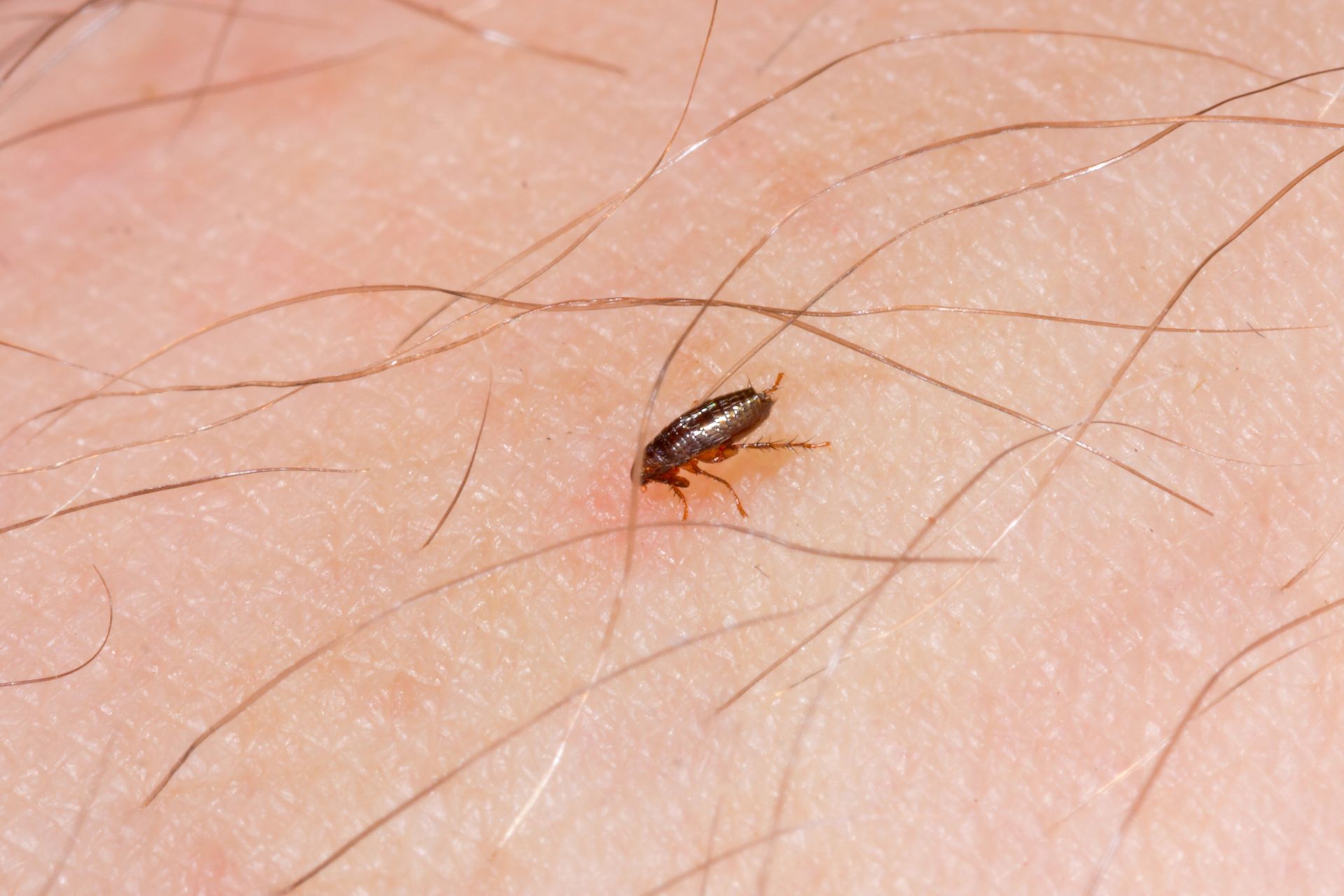
- Small, itchy bites, often around ankles
- Fleas jumping onto socks or pant legs on carpet
How to get rid of fleas
- Treat every pet with a vet-recommended flea product, at the same time.
- Vacuum carpets, furniture and pet areas often and empty the vacuum outside.
- Wash pet bedding in hot water.
- Treat the home and yard so developing fleas don’t restart the cycle.
How DNR treats fleas
We treat indoor and outdoor areas where fleas develop, including pet resting spots, using products that include insect growth regulators to stop eggs and larvae from maturing. A follow-up visit may be needed to catch fleas that hatch after the first treatment. Call 727-594-0404 or book a free consult.
Related pest spotlights: Ticks and Rodents.
FAQ
Why do I still have fleas after treating my dog? Eggs, larvae and pupae in your carpet and yard keep hatching. Treat the pet, the home and the yard together.
Can fleas live on people? Cat fleas will bite people, but they prefer to live on cats and dogs.
Source: University of Florida/IFAS, Cat Flea. Reviewed by Ricky Williams, Certified Operator in Charge.